

Revolutionizing Video Archives with AI
In an era marked by rapid technological shifts, the video content landscape is experiencing transformative change. Recent developments signal that artificial intelligence is playing an increasingly pivotal role in reshaping how video libraries are managed, cataloged, and utilized. A standout example of this shift is the recent funding secured by TwelveLabs, amounting to $100 million, a strong indication of the growing belief in AI's potential to revolutionize video intelligence systems.
For archivists and digital content managers, these advancements promise to change how extensive collections are navigated and deployed. AI-driven systems are helping to streamline workflows, improve searchability, and enhance content impact — marking a new chapter in the management of digital archives.
The Rise of AI Video Intelligence Systems
TwelveLabs' significant investment point toward an industry-wide move to operationalize video content more precisely and efficiently. But what does this mean for those managing video libraries?
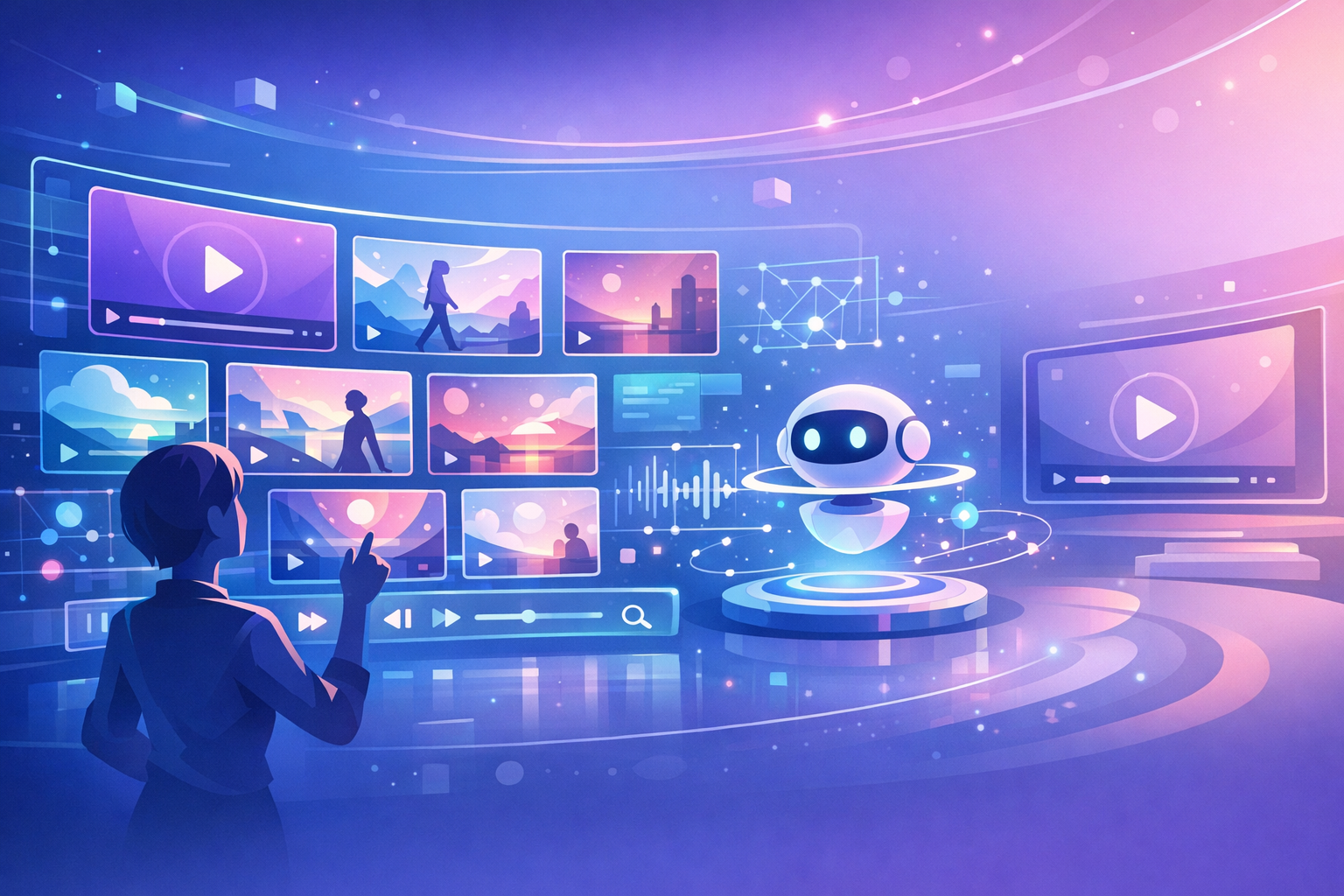
Video intelligence systems, such as those developed by TwelveLabs, enhance video utilization through:
- Automated tagging and categorization: AI systems analyze video content to generate accurate tags, making it easier to find specific content within vast archives.
- Enhanced search features: Advanced search capabilities allow users to locate particular scenes or topics rapidly, revolutionizing content retrieval processes.
- Content analysis and insights: AI tools provide deeper insights into viewer engagement and preferences, assisting in content planning and alignment with audience interests.
Expanding Creative Horizons
Another critical development in AI's role in video creation comes from Google's release of the Gemini Omni Flash model. This innovation allows creators to produce 10-second videos by merging images, audio, and text, enabling fresh creative expressions on platforms like YouTube Shorts.
Why is this significant?
- Streamlined content production: Creators can rapidly integrate various media elements into coherent video content, reducing production time and effort.
- Diverse storytelling: The model empowers creators to experiment with new content styles and narratives, reaching wider audiences on dynamic platforms.
Navigating Algorithmic Challenges
Meanwhile, YouTube's introduction of a "Clear Screen" mode and its revised algorithm underscore a tightening focus on content quality. These changes, specifically targeting low-quality AI-driven content, emphasize the demand for polished and engaging video productions.
To stay ahead, creators and content libraries must:
- Avoid content penalties: Focus on quality over quantity to meet evolving platform standards and user expectations.
- Adapt to new formats: Embrace immersion and localize content strategies for platform-specific nuances.

Practical AI Tool Applications
As the need for high-quality, easily searchable video content grows, leveraging AI tools becomes crucial for content managers. Though multiple options exist, GoFaceless offers a practical solution among these, with AI capabilities to enhance and organize video content libraries effectively.
Conclusion
Changes in the AI video creation landscape present both opportunities and challenges. As AI intelligence systems evolve, staying abreast of technology enhancements and adapting workflows is key for content managers seeking to capitalize on these advancements.
Ready to harness the power of AI in your video library management? Consider tools that align with the dynamic trends shaping this future, such as GoFaceless.
Sources & further reading
Keep reading

The Rise of Multimodal Video: A Creator's Guide
Explore the cutting-edge tools transforming multimedia into seamless video content.
AI Video Generators: The Complete Guide for 2026
Everything you need to know about AI video generators — how they work, what they cost, and how to choose the right one for your content.

Preparing for Algorithm Changes in AI Video
Stay ahead of AI video algorithm changes on YouTube and TikTok with these insights.