
Latest
The Role of AI Disclosure in Building Viewer Trust
Learn how YouTube AI disclosure works, when it applies, and how creators can label realistic synthetic content without weakening audience trust.
12 min read
Read article
The GoFaceless Journal
Tips, guides, and strategies for growing a faceless YouTube channel with AI.
Learn how YouTube AI disclosure works, when it applies, and how creators can label realistic synthetic content without weakening audience trust.
Use this step-by-step YouTube Shorts retention plan to diagnose swipe-aways, fix drop-offs, test stronger hooks, and improve each new video.
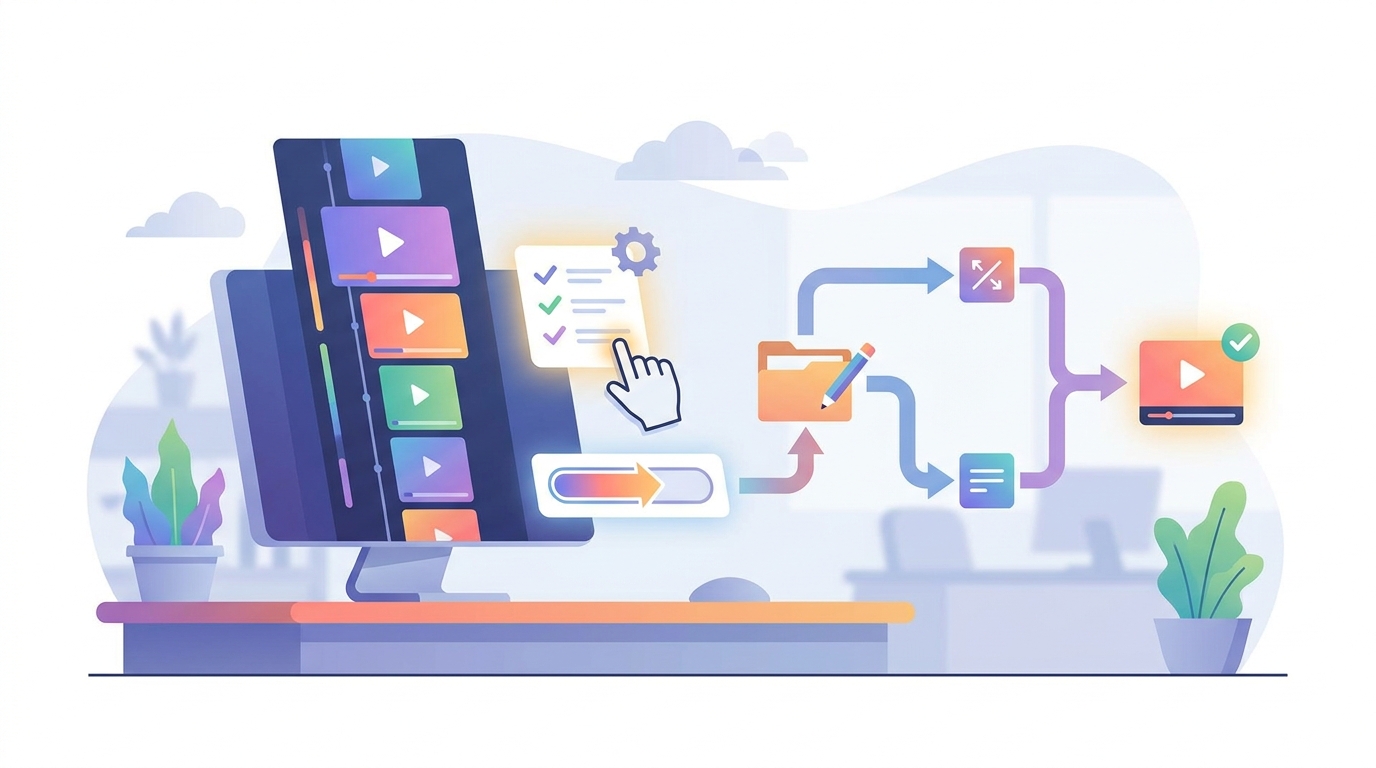
Improve AI video completion rates with clearer briefs, defined review gates, rework tracking, and a completion-first production workflow.

Learn what the available 2026 AI Shorts data says about creator adoption, render time, originality, disclosure, and testing workflows.

Create AI-assisted YouTube videos that can be monetized with original editorial work, rights checks, realistic-content disclosure, and review.

Learn how YouTube’s July 2026 AI slop clarification affects faceless video monetization, compliant AI workflows, and revenue risk.

Data-backed analysis of how 3–7 second videos perform on viewability, sharing, conversion, messaging, and algorithm signals.

Learn when video creators must disclose realistic AI content under the EU AI Act, TikTok policy, and IAB advertising guidance.

See realistic AI faceless YouTube video timelines, from 6–12 hours for a first video to about 20 minutes with automation.

Plan for YouTube’s 2027 YPP thresholds with a clear choice between watch hours and Shorts views, plus a 90-day tracking sprint.

AI-generated YouTube content can monetize when it is original and creator-led. Learn where AI channels face policy, disclosure, and monetization risk.

Compare pure AI, hybrid, and traditional video workflows to choose the most profitable strategy for creators and production teams.

TikTok views and interactions are declining year over year. Learn how faceless creators can adapt formats, retention, testing, and distribution.

DTC brands are using AI video to increase short-form output, streamline production tasks, and keep human teams focused on high-value creative work.

Build a batched AI video workflow for scripting, assets, editing, and human QC in a two-hour production loop.

Maximize YouTube Shorts revenue in 2026 with Creator Pool mechanics, monetization options, length, frequency, and compliance tactics.

Learn what YouTube AI auto-detection can label, when creators must disclose synthetic media, and how to manage transparency risks.

Learn what YouTube treats as inauthentic content, how July 2026 clarification affects monetization, and how to use AI responsibly.

Learn when YouTube Shorts makes sense for faceless content, what RPM to expect, and how to choose Shorts-first, long-form, or hybrid.

Learn how to review AI-assisted videos, complete YouTube disclosure steps, and separate labeling from originality and monetization.
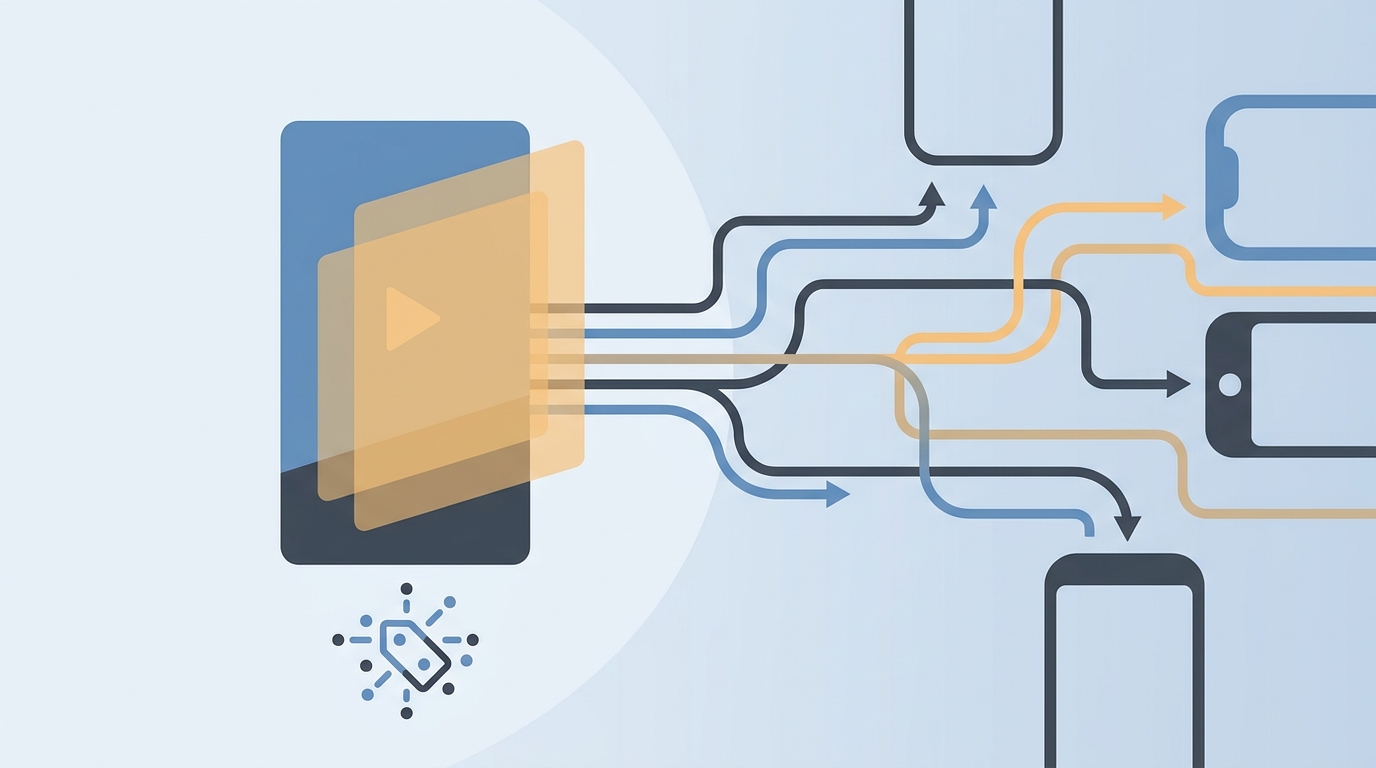
Learn the 2026 AI content disclosure rules for TikTok and the EU AI Act, plus a practical cross-platform compliance workflow.

Learn how YouTube Shorts counts views after its update, what starts and replays mean, and which metrics creators should use alongside views.

More than 1 million channels used YouTube AI tools daily in December 2025. What that count means, what it does not prove, and how to use AI responsibly.
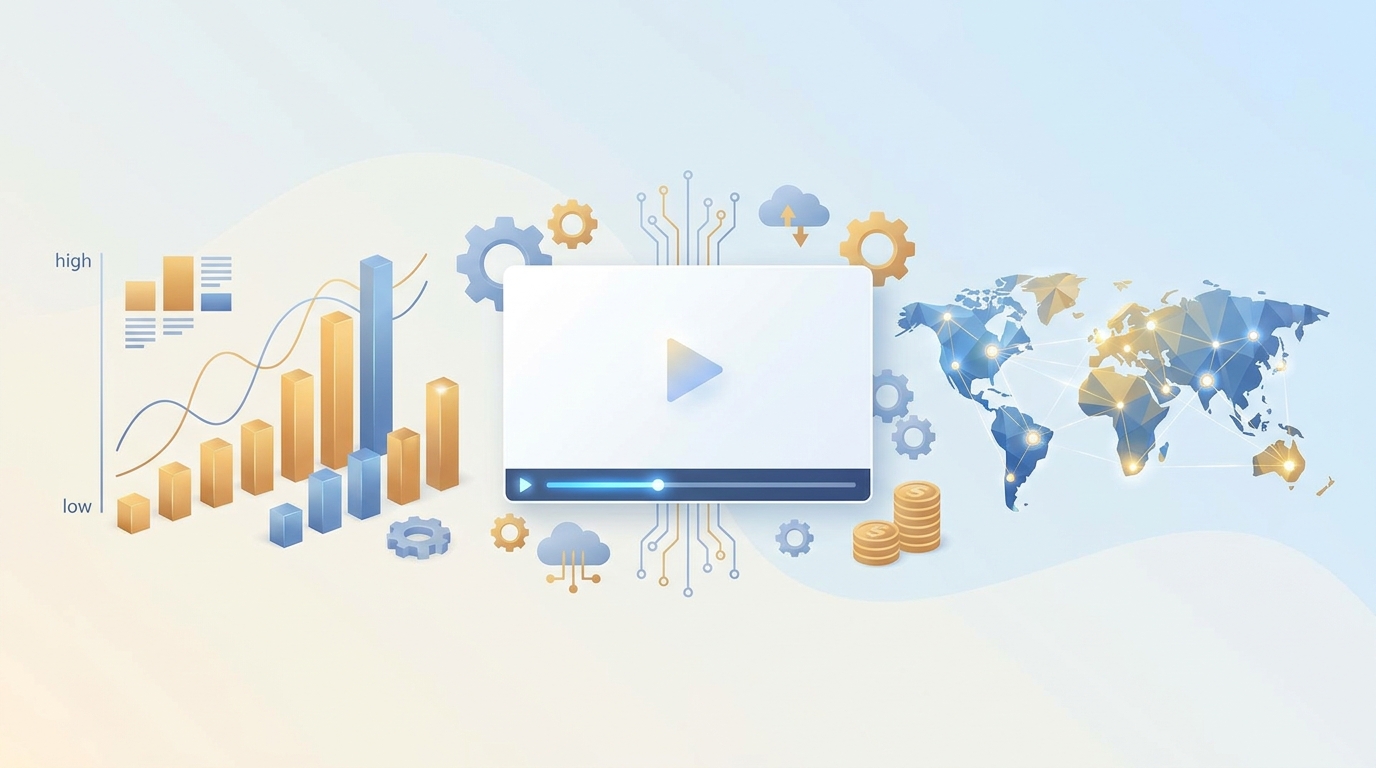
Learn realistic faceless YouTube long-form RPM ranges by niche, audience geography, language, content style, and monetisation strategy.

A practical EU AI Act labeling guide for video creators: overlays, disclosures, records, platform settings, and compliance checks.

Learn the AI content disclosure rules for YouTube, EU audiences, advertising, labels, monetization, and realistic AI-generated visuals.

Learn how YouTube’s inauthentic content policy affects AI videos, templates, monetization reviews, appeals, and AI disclosure decisions.

Move from human editing to AI video production with a controlled pilot, quality gates, cost comparisons, and clear human approval.

Compare stock footage and AI visuals for faceless videos, including engagement, viewer trust, and YouTube, TikTok, and Vimeo labeling rules.

Post 2–3 short-form videos weekly, then use YouTube and TikTok analytics to adjust cadence without sacrificing quality.

AI-assisted YouTube videos can monetize when they are original, valuable, and not mass-produced or repetitive. Learn disclosure and quality rules.
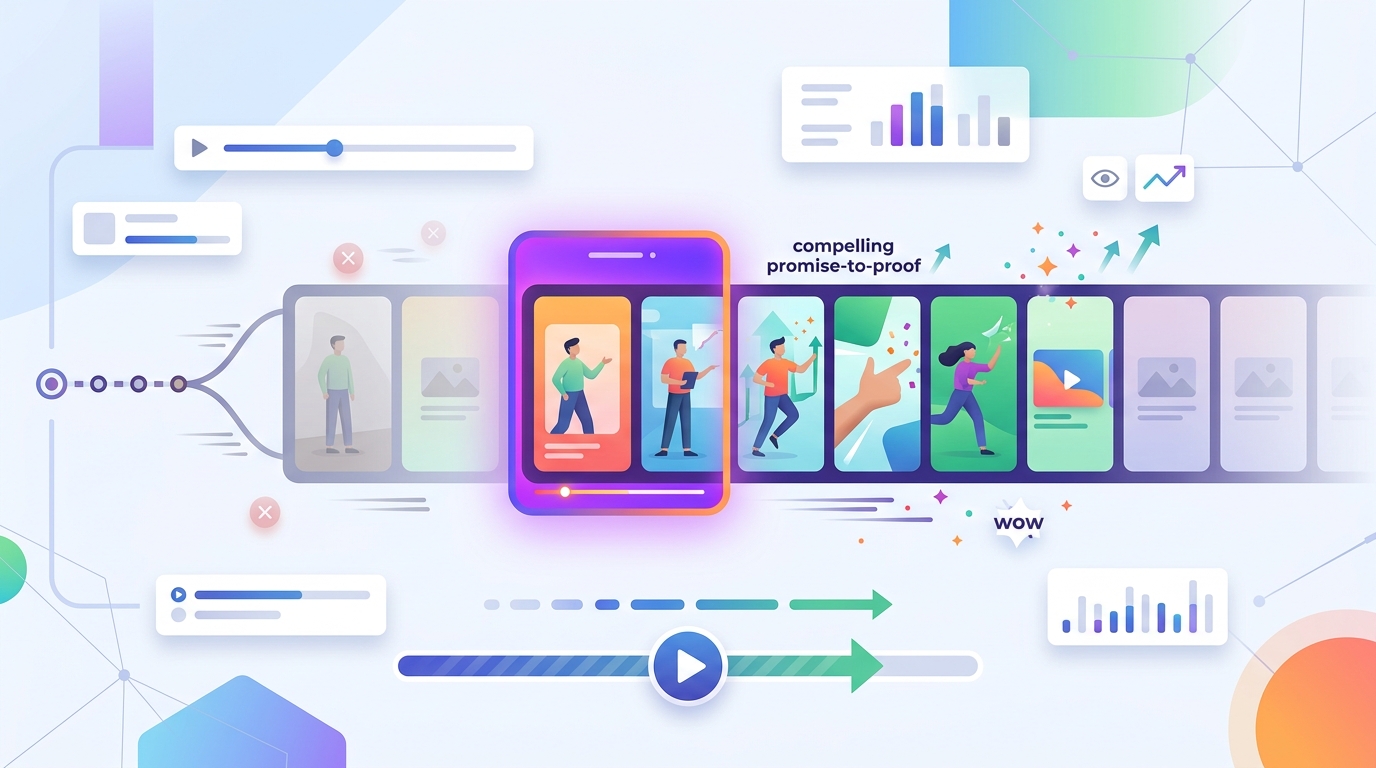
Write stronger video hooks for Shorts, TikTok, and Reels with a promise-to-proof framework, caption mechanics, worked examples, and retention testing.

Current YouTube Shorts and TikTok monetization thresholds, including YPP, fan funding, Creator Rewards, Subscription, and TikTok Shop.
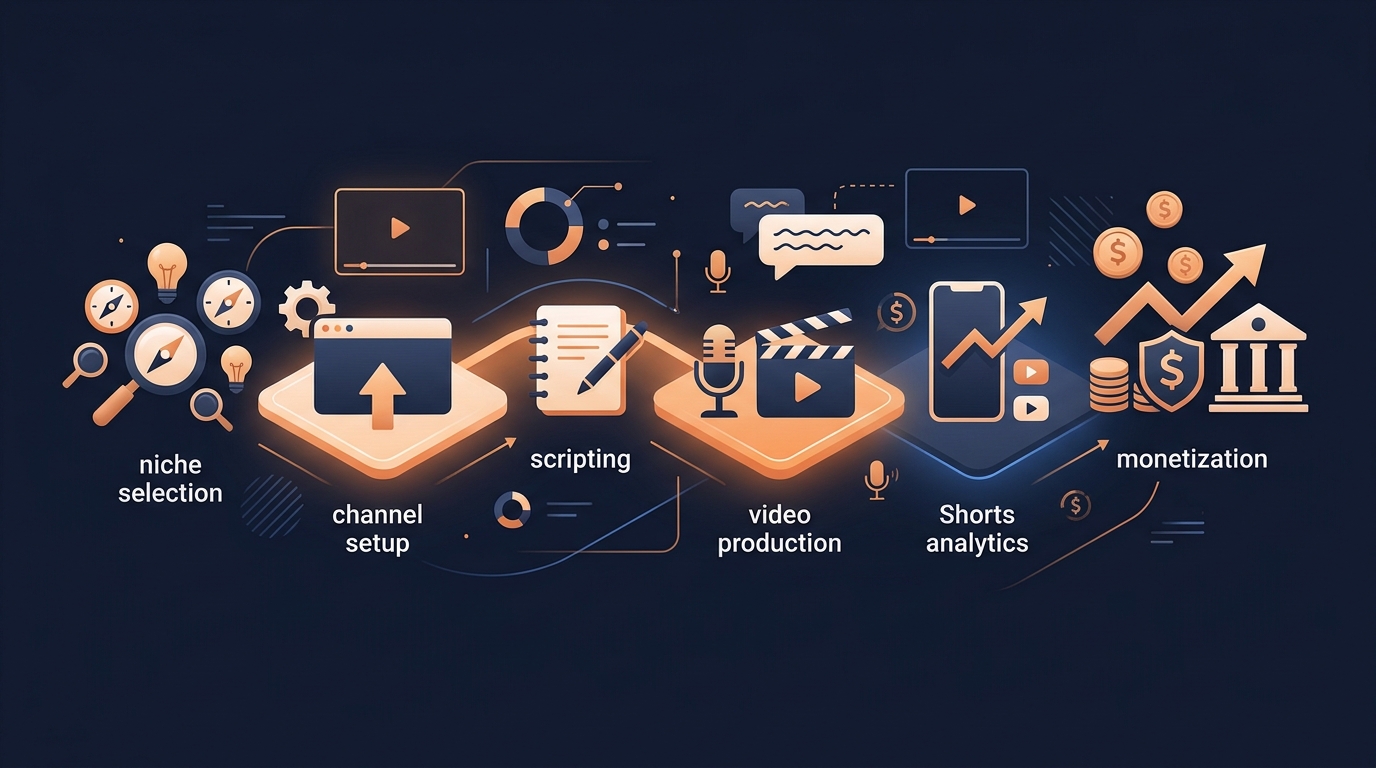
A practical map for building a faceless YouTube channel—from choosing a niche and making videos to growing on Shorts and creating multiple revenue streams.

Learn when YouTube and TikTok require AI video disclosures, how labels work, and why a label does not override platform policies.

Evaluate AI video tools for production speed, viewer engagement, ownership, disclosure, and platform compliance before you publish.

Third-party data puts average YouTube Shorts retention near 73%. See length-based targets, what moves the number, and the limits of these benchmarks.

Maximize YouTube Shorts revenue with monetization eligibility, higher-RPM niche choices, music decisions, and long-form growth tactics.

Learn how YouTube Shorts revenue sharing works with music, why licensed tracks reduce the Creator Pool, and how to protect earnings.
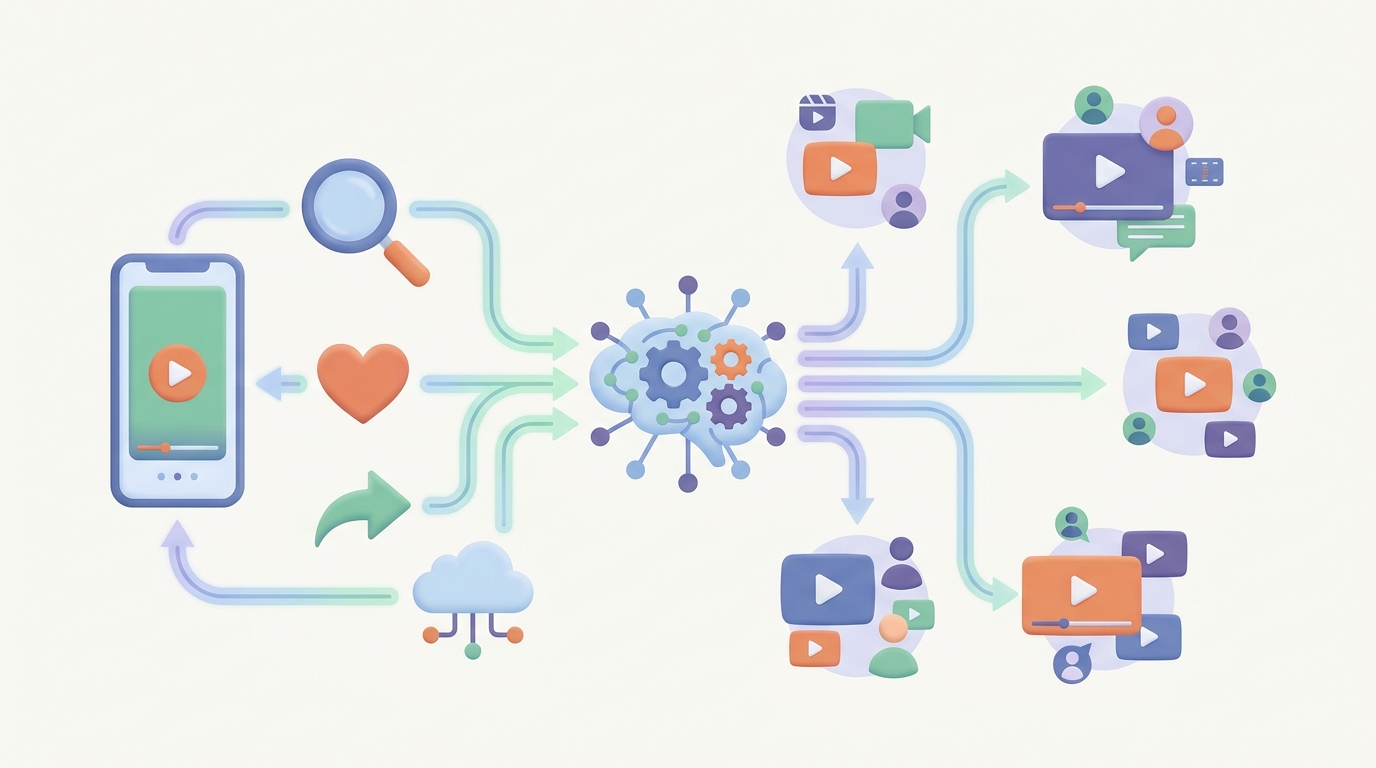
Learn how YouTube Shorts recommendations use viewer behavior, format eligibility, retention, AI disclosures, and practical editing tests.

Improve YouTube Shorts retention with stronger hooks, concise pacing, interactive prompts, and metrics that account for the 2025 views change.

Learn the real cost to start a faceless YouTube channel, from a $0 free setup to $600 monthly professional workflows.

Learn how YouTube Shorts ranking uses viewer choice, retention, relevance, personalization, competition, and seasonality.

Adapt YouTube Shorts after an algorithm shift with metric checks, original formats, metadata, upload pacing, and AI-labeling guidance.

Calculate AI video cost per publishable video by including generation, retries, editing, resolution, and subscription allocation.

Learn the 2026 YouTube Partner Program thresholds, review process, retention workflow, ad-friendly rules, and faceless channel strategy.

Learn a practical AI storyboarding workflow for planning scenes, reviewing rights and disclosures, and improving video pacing.

Use AI to improve YouTube hooks, retention, comment quality, and production speed without sacrificing trust or policy compliance.

Learn when to select “AI use: Yes” in YouTube Studio, how to review realistic synthetic content, and how to avoid non-disclosure risks.
Learn when YouTube requires AI disclosure for Shorts, what its native AI-tool exception covers, and how labels, monetization, and spam rules differ.

Learn how to make original faceless story videos with stronger hooks, thumbnails, upload workflows, AI disclosures, and YouTube-safe production.

Use pattern breaks to hold attention on TikTok, Reels, and Shorts with a practical timing, hook, and retention-testing workflow.

Learn how to hook TikTok and YouTube Shorts viewers in two seconds with a clear promise, visual proof, and retention-led testing.

Compare AI video subscriptions, usage-based generation, freelancers, and agencies with practical budgeting and break-even guidance.

Find an AI YouTube niche by measuring competition, validating demand, differentiating your format, and following AI disclosure rules.

Compare 12 faceless YouTube niches by commercial intent, shelf life, production fit, competition, and accuracy risk.

Start a faceless YouTube channel with a focused niche, original format, 30-day testing plan, and YouTube-compliant AI workflow.
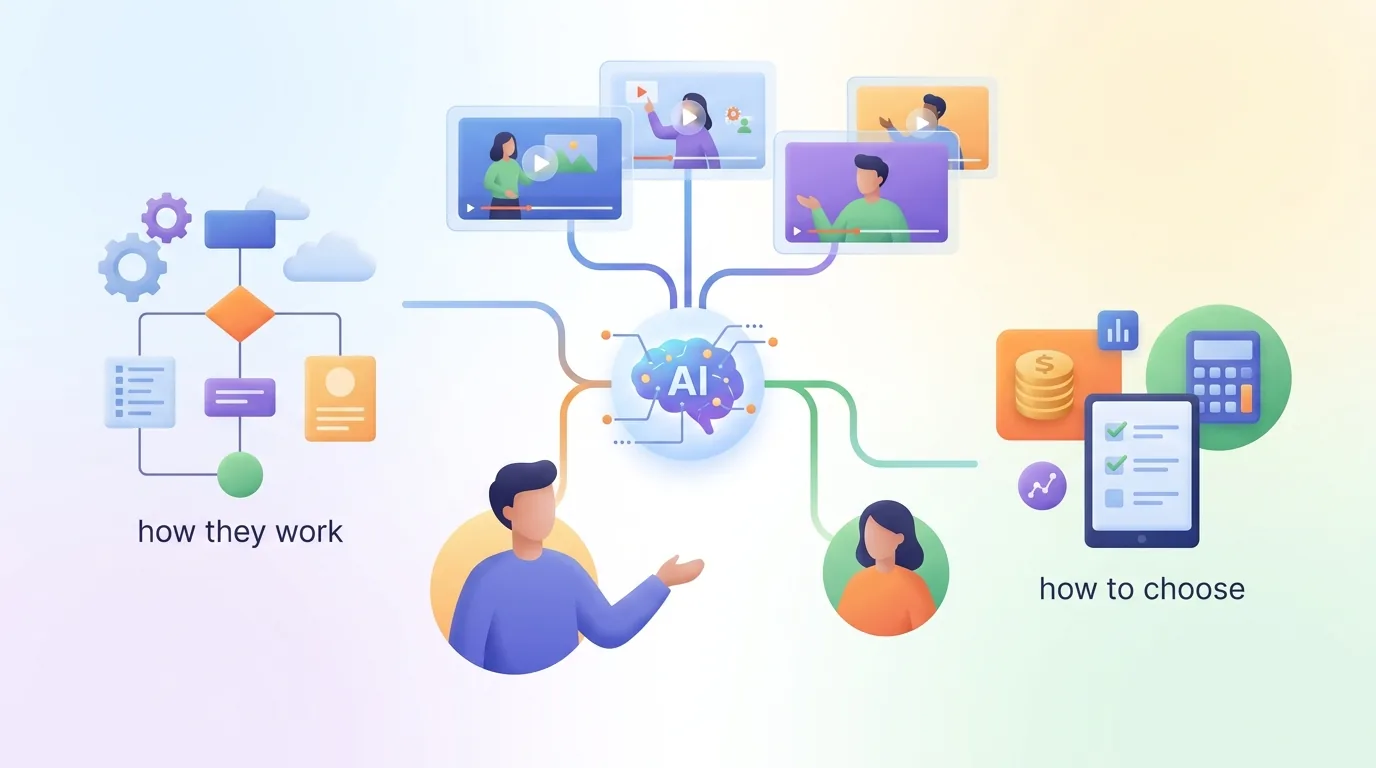
Compare AI video generators for faceless Shorts, Reels, and TikToks by automation, render reliability, speed, and documented costs.

Learn how YouTube Shorts monetization works in 2026, including YPP eligibility, the Shorts revenue pool, RPM, brand deals, and offers.

Explore 50 faceless YouTube channel ideas, ranked by repeatability, viewer value, monetization fit, and original-content potential.

Use 15 proven TikTok hook formulas, opening tactics, video lengths, and visual cues to improve retention and reach.
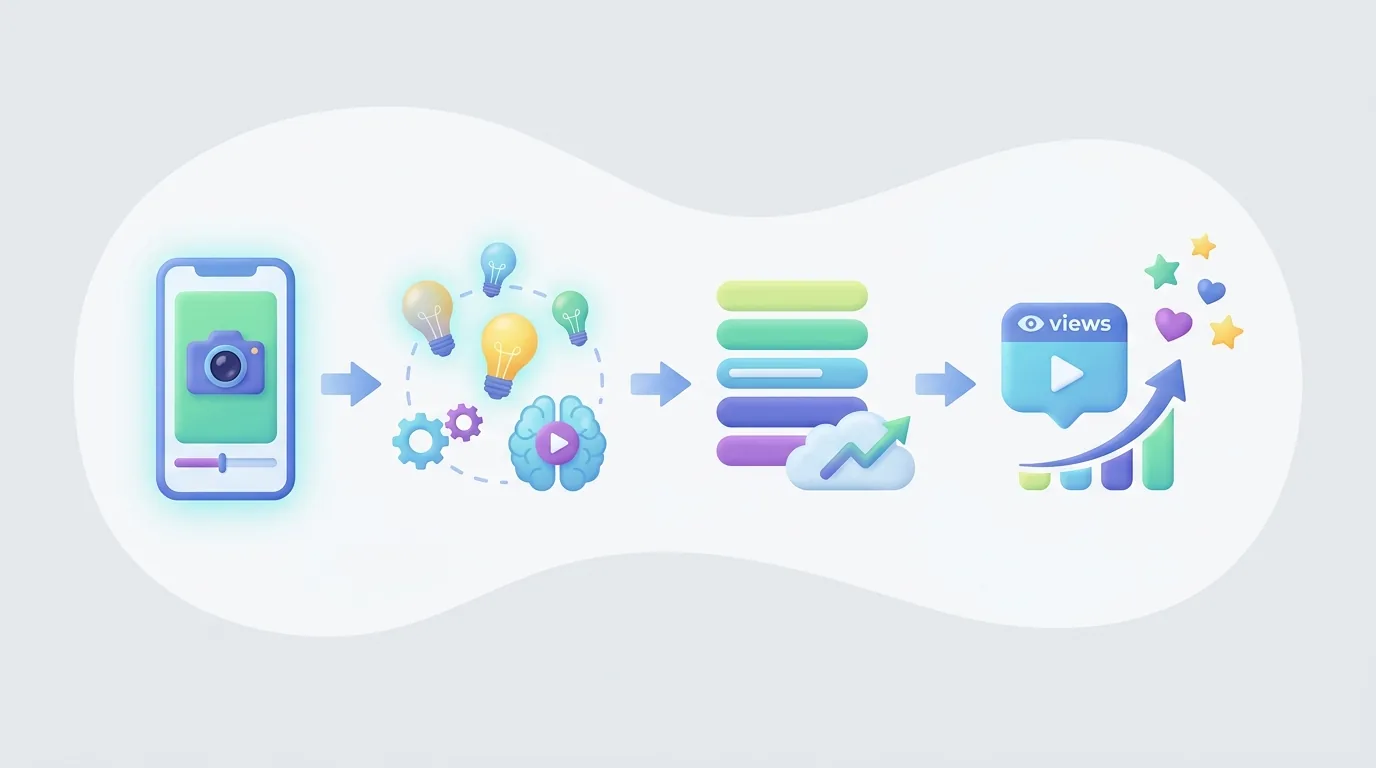
Learn how to create YouTube Shorts, meet current technical rules, publish effectively, and use analytics to improve engagement.
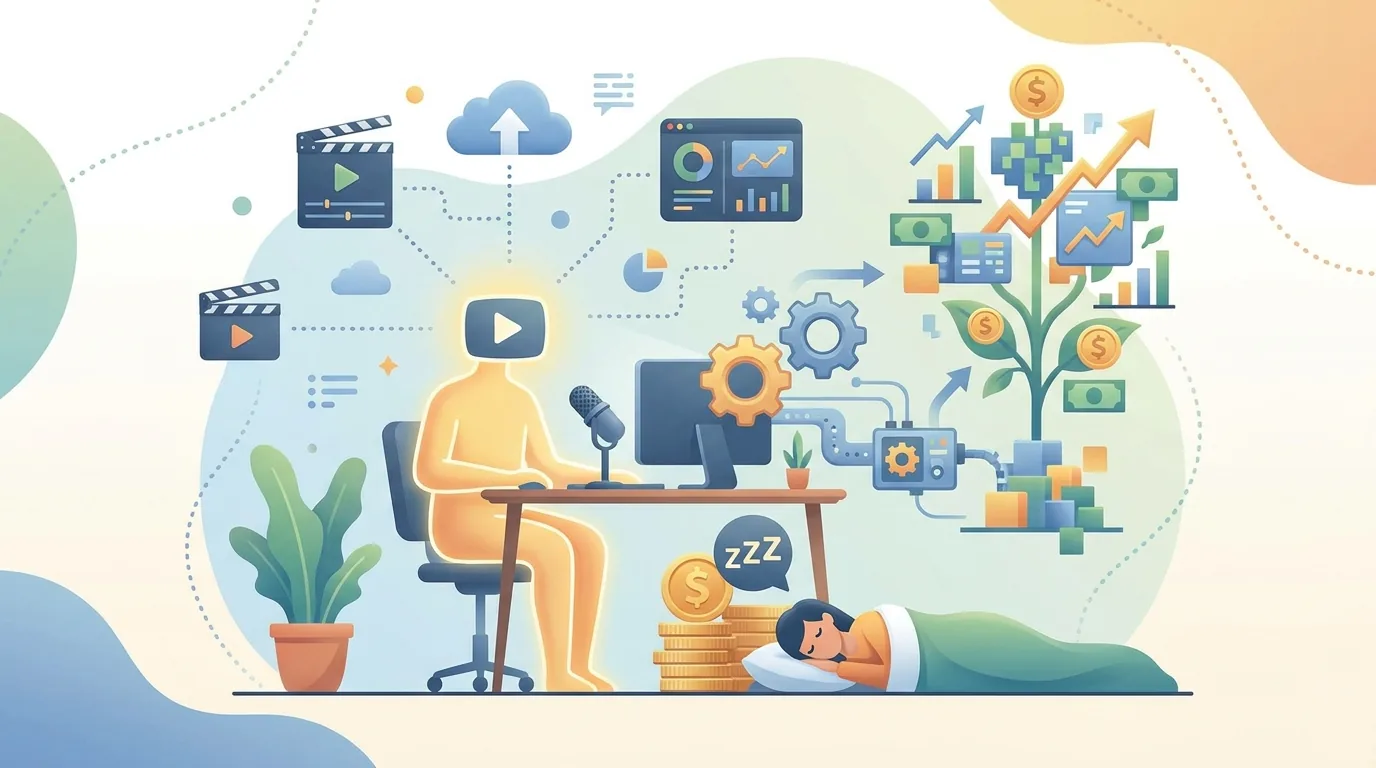
Learn how to build a faceless YouTube channel with original content, multiple revenue paths, SEO, and policy-aware workflows.
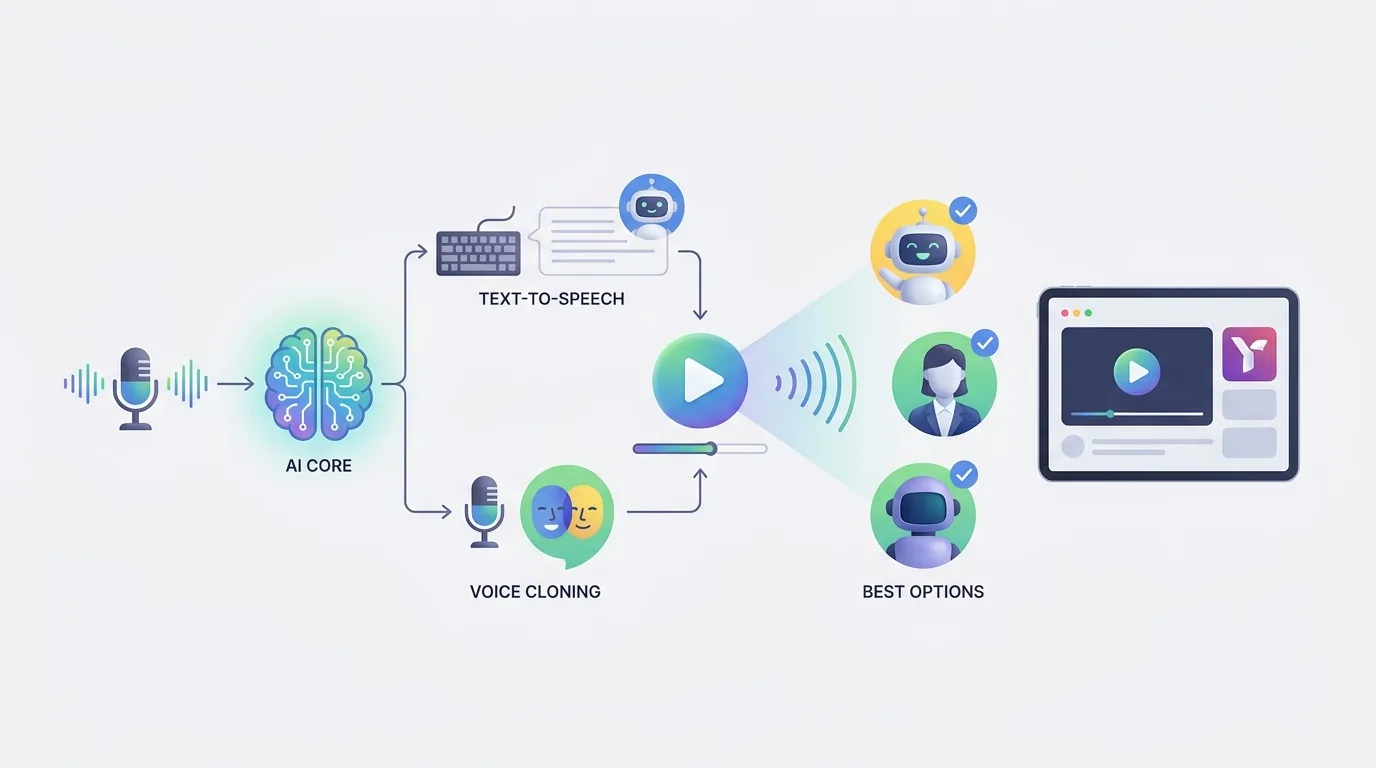
Compare ElevenLabs and OpenAI TTS for YouTube voiceovers: realism, cost, multilingual workflow, retention, disclosure, and monetization.

Study 10 successful faceless YouTube channels, their repeatable formats, revenue potential, and policies creators must follow.