
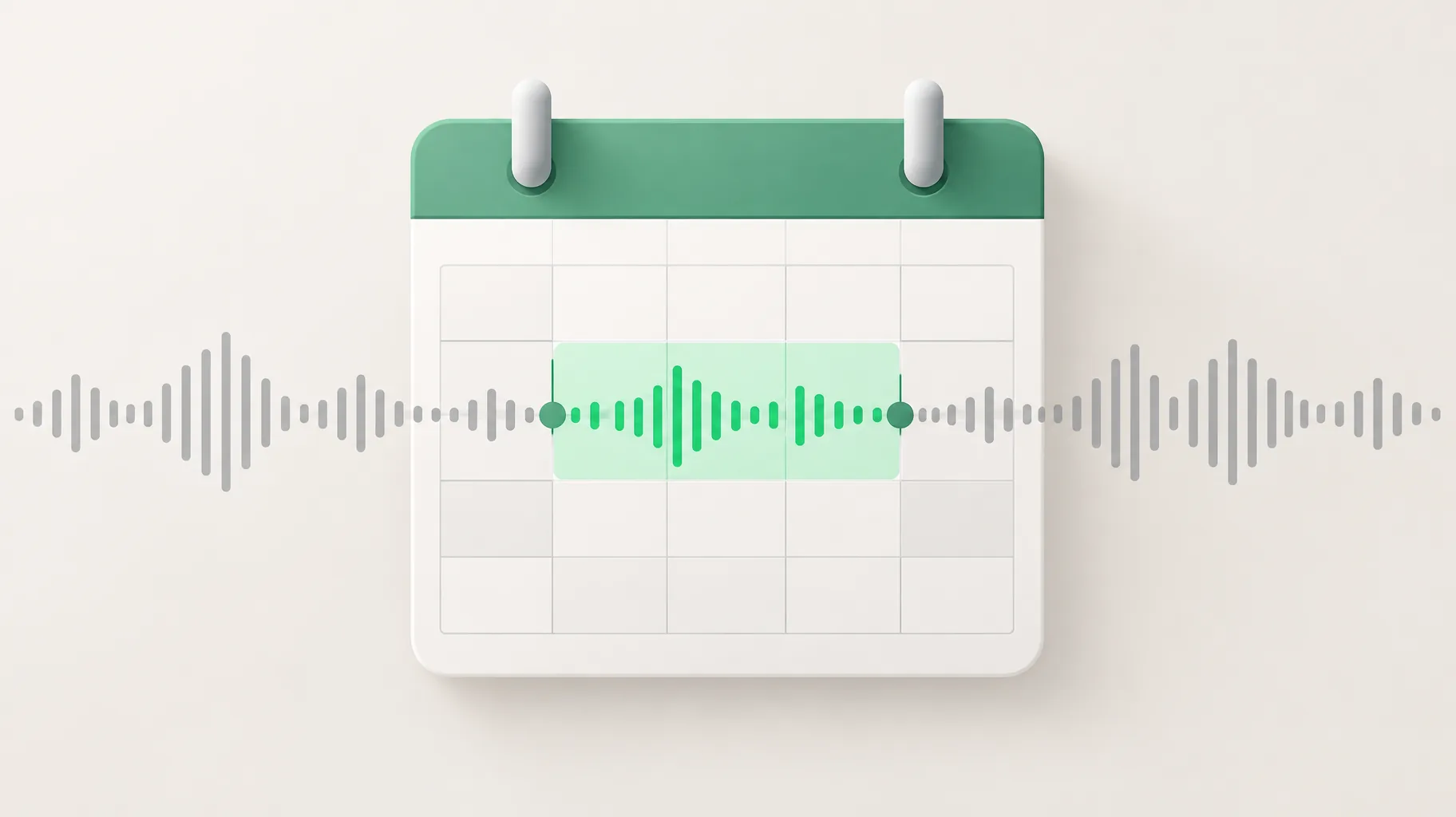
Yes, you can keep using AI voiceovers commercially after canceling your subscription, as long as each clip was generated while a paid plan was active. Under ElevenLabs' documented rule, audio generated during a paid subscription is commercially usable indefinitely, while audio generated before subscribing or after canceling is not.
Key takeaways:
- ElevenLabs states that content generated during a paid subscription can be used commercially indefinitely, subject to service-specific terms.
- Content generated outside a paid subscription, whether before or after it, cannot be used commercially under the same documentation.
- The permission attaches to the generation date, not the upload or publication date.
- Beta Services are separately excluded from commercial use even on a paid account.
What is the licensing lifecycle of an AI voiceover?
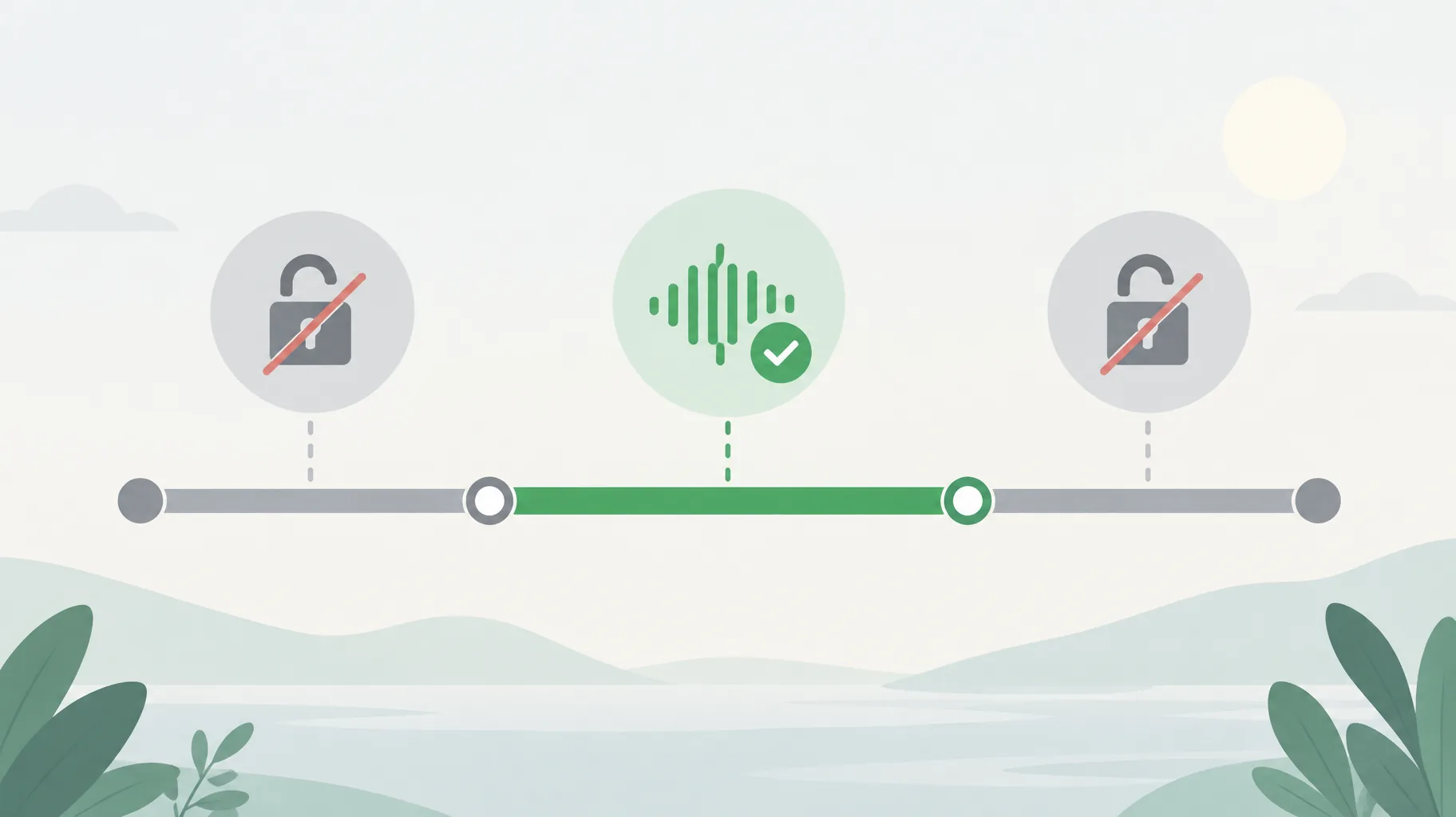
The licensing lifecycle of an AI voiceover is the rule that a clip's commercial permission is fixed at the moment it is generated, based on your subscription status at that instant, and does not change when you upgrade, downgrade, publish, or cancel. ElevenLabs' legal documentation draws exactly this line: content generated during a paid subscription can be used commercially indefinitely, subject to applicable service-specific terms, while content generated outside a paid subscription, whether before or after it, cannot be used commercially, per ElevenLabs' publishing guidance.
That single rule produces three distinct buckets for any narration library:
- Generated before subscribing (free tier): not commercially usable, and upgrading later does not change that.
- Generated during a paid subscription: commercially usable indefinitely, including after you cancel.
- Generated after canceling: not commercially usable, because the subscription was no longer active at generation time.
The practical consequence is that your license audit is a date-matching exercise, not a feature comparison. Every clip in your library needs one fact attached to it: was a paid plan active on the day this file was rendered?
Does upgrading make voiceovers generated on a free plan commercially usable?
No. Upgrading to a paid plan does not retroactively license narration that was generated on a free tier, because the permission attaches to the generation event rather than to your account's current status. ElevenLabs' documentation is explicit that content generated outside a paid subscription cannot be used commercially, and it defines "outside" to include the period before the subscription began, as stated in its legal help center.
This is the most common misconception in the creator workflow: batch a month of free-tier narration, subscribe the day before publishing, and assume the upgrade covers the backlog. It does not. The fix is mechanical rather than legal: regenerate the same scripts on the paid plan. The text can be identical; what matters is that the audio file is rendered while the subscription is active. If you are weighing whether regeneration is worth the credits, the trade-offs are similar to those in whether AI voiceover revisions cost credits, where the cost of a re-render is usually trivial next to the cost of an unlicensed track.
Does the generation date or the upload date determine commercial permission?
The generation date determines commercial permission, not the date you upload, publish, or monetize the video. ElevenLabs frames the entire rule around when content was "generated" relative to the paid subscription, with no reference to publication timing, according to its documentation.
This cuts in both directions, and both directions matter:
- Publishing later does not help. A free-tier clip uploaded after you subscribe is still a free-tier clip.
- Publishing later does not hurt. A paid-tier clip uploaded after you cancel is still a paid-tier clip, because the indefinite commercial right was already granted at generation.
For creators who batch content weeks ahead, this is genuinely good news. You can render a quarter of narration during one paid month, cancel, and keep publishing those videos on schedule. The license traveled with the file.
Can I monetize an older video containing free-tier narration after subscribing?
Not on the strength of the new subscription alone. An older video whose narration was generated on a free plan remains non-commercial even after you upgrade, because the audio's permission was fixed at its generation date. ElevenLabs' rule that content generated outside a paid subscription cannot be used commercially applies regardless of what happens to the account afterward, per its publishing documentation.
The remedy is to replace the audio track, not the video. Regenerate the same script on the paid plan, swap the narration in your editor, and re-upload or update the file where the platform allows it. Keep a record of the regeneration date alongside the original script, because that timestamp is your evidence of license status. A lightweight habit of saving generation receipts, scripts, and export dates for every video pays off here; the full list is covered in production records to save for every AI-assisted video.
Can I publish paid-plan narration after my subscription has ended?
Yes. Narration generated while your paid subscription was active remains commercially usable indefinitely after you cancel, subject to applicable service-specific terms. ElevenLabs states this directly: content generated during a paid subscription can be used commercially indefinitely, per its legal help center.
This is the answer to the title question, and it makes the "subscribe for one month, batch hard, pause" strategy legitimate rather than a loophole. A creator who renders 60 scripts during a single paid month can cancel on day 30 and keep publishing and monetizing those 60 videos through the rest of the year. What they cannot do is render script 61 after cancellation and treat it the same way. The boundary is the cancellation date, and it is sharp.
Does a paid account allow commercial use of beta voice features?
No. A paid subscription is not sufficient permission for every feature, because ElevenLabs' documentation separately excludes Beta Services from commercial use or production environments, as noted in the same publishing guidance. This is a second, independent restriction that sits on top of the generation-date rule.
So a clip can fail the commercial test two ways: it was generated outside a paid window, or it was generated with a feature flagged as a Beta Service even inside one. Before building a sponsored deliverable or a monetized series around a newly released voice capability, check whether that specific feature carries a beta designation. The safest habit is to treat any feature labeled beta as internal-testing-only until its documentation says otherwise.
Which parts of my existing narration library need to be regenerated?
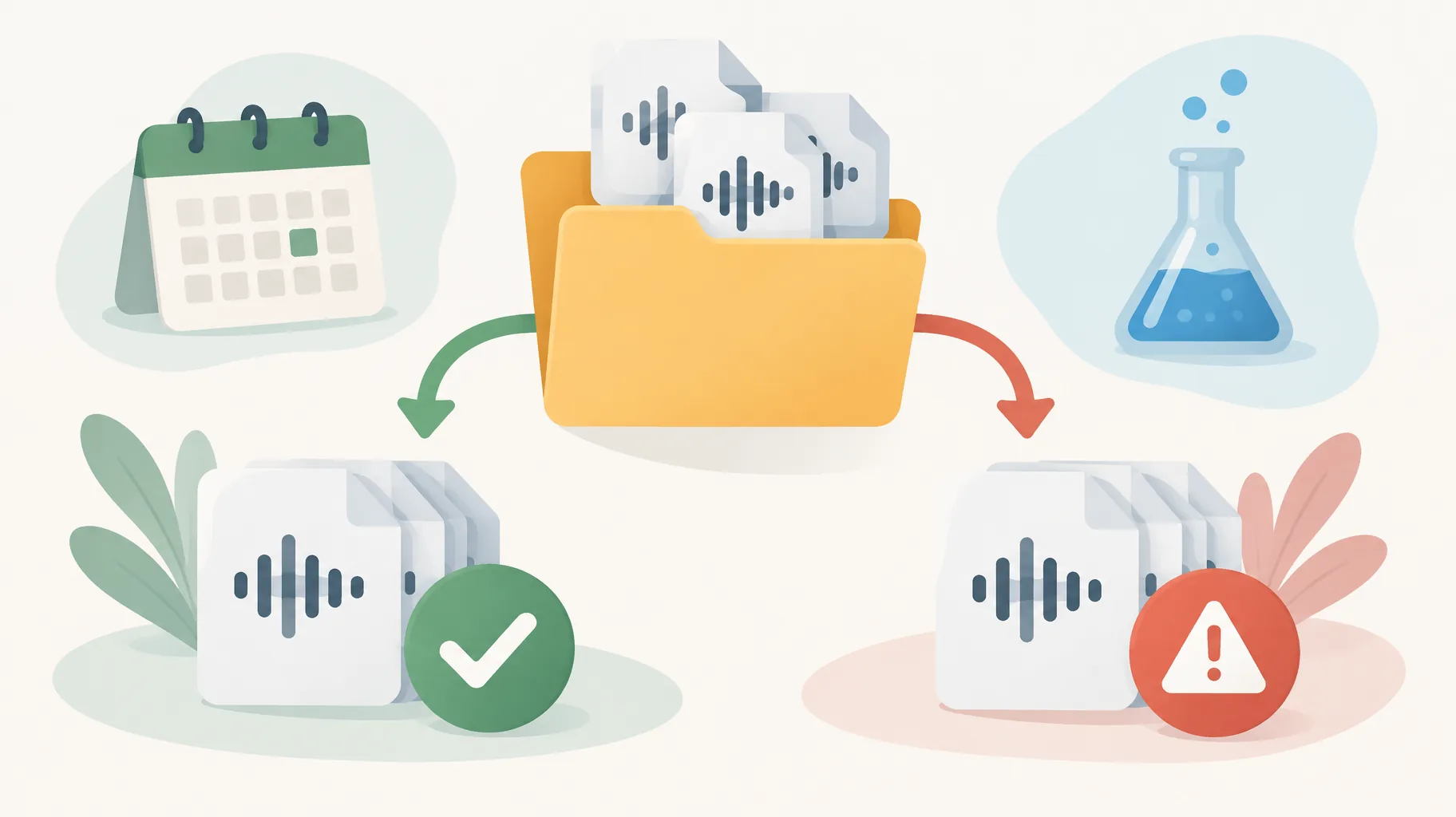
Regenerate any clip that was rendered on a free plan, rendered after a cancellation, or rendered with a beta-flagged feature; keep everything rendered on a standard feature during an active paid window. This three-question filter follows directly from ElevenLabs' documented rules on generation timing and Beta Services, per its legal documentation.
A simple audit table for a backlog:
| Clip status | Commercial use | Action |
|---|---|---|
| Free tier, before subscribing | No | Regenerate on paid plan |
| Paid plan, standard feature | Yes, indefinitely | Keep |
| Paid plan, Beta Service | No | Regenerate with a standard feature |
| After cancellation | No | Regenerate during next paid window |
Once the library is clean, the assembly side is straightforward. An AI faceless-video platform such as GoFaceless (our own product) is one place to combine licensed narration with visuals, captions, and music in a single pass, but importing audio into any assembly tool does not cure an upstream licensing problem. The license check has to happen at the voice provider first.
The bottom line
The rule is one sentence: the subscription status on the day you click generate decides whether that narration can ever earn money. Audit your library by generation date, regenerate the free-tier and beta clips, and keep the receipts. If you want a single pipeline for turning cleared narration and a script into a finished short with visuals and captions, GoFaceless plans start at $29/mo, and the license audit above works the same regardless of which assembly tool you choose.
Sources & further reading
Keep reading
How to Fix Mistranslations in YouTube Automatic Dubs
YouTube automatic dubs can't be edited word by word. Learn to review, withhold, or delete a bad dub, fix wrong-language detection, and replace the track.
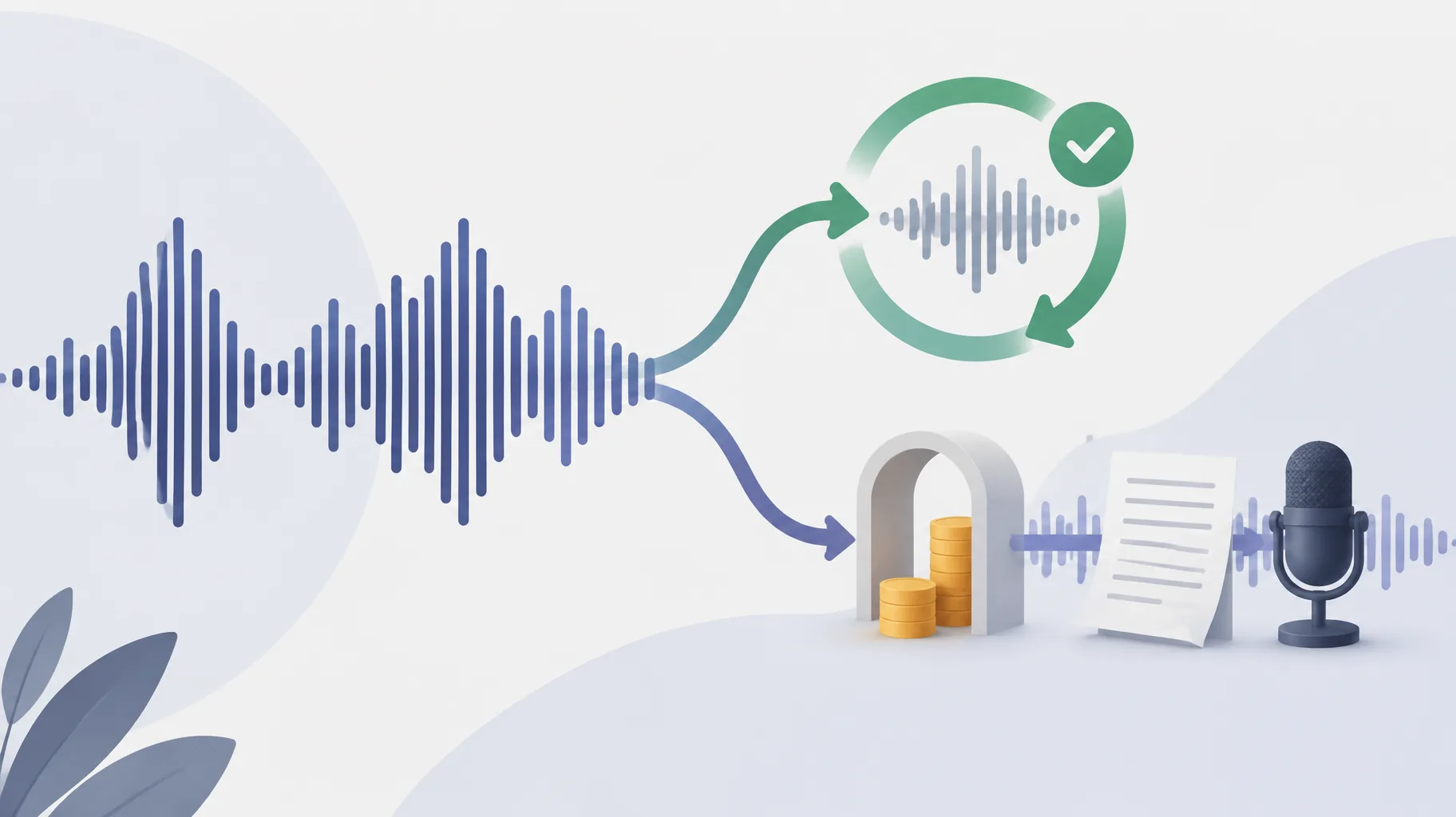
Do AI Voiceover Revisions Cost Credits? Free vs Paid Changes
Do AI voiceover revisions cost credits? Studio allows two free regenerations of unchanged text; rewrites and voice changes are billed. Full matrix inside.
Do You Own the Copyright to an AI-Generated Video?
Commercial-use permission is not copyright ownership. Learn what the U.S. Copyright Office's January 2025 AI conclusions mean for videos you sell or license.